

AI Social Media Automation Tools: The Ultimate 2025 Guide for Marketers and Creators
- Aug 12, 2025
- 17 min read
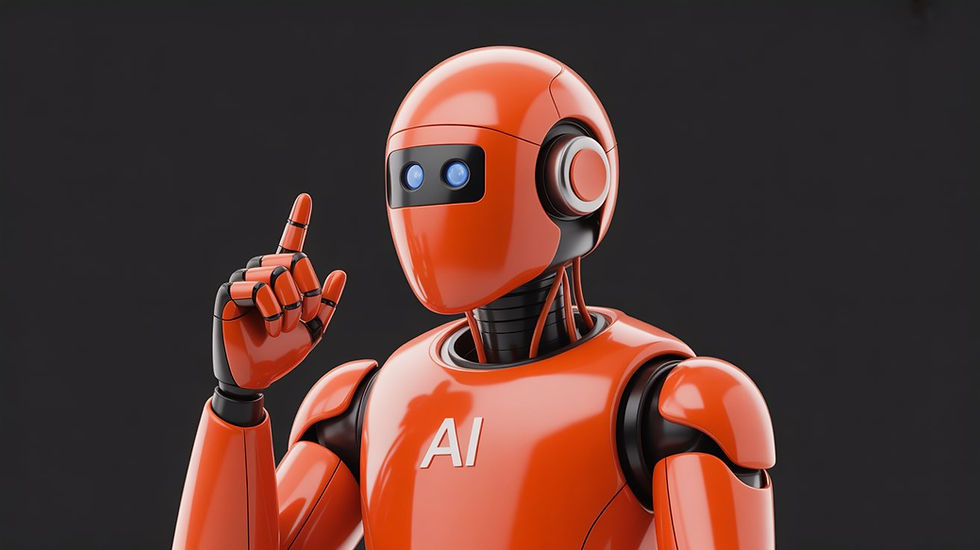
AI Social Media Automation Tools
The landscape of social media marketing has been transformed by artificial intelligence. What once required manual scheduling, content planning, and tedious analytics can now be handled by AI social media automation tools. These smart platforms use machine learning to schedule posts at optimal times, generate engaging content, and surface data-driven insights – all to boost your reach and engagement. In 2025, AI-driven automation isn’t just a cool extra, it’s a fundamental part of any savvy marketer’s toolkit.
Over the past decade, social media management has evolved from basic scheduling software to fully integrated AI ecosystems. Early tools let you queue posts, but today’s AI systems anticipate your needs: they suggest the best posting times, write captions, repurpose blog content into shareable snippets, and even respond to comments. As one expert puts it, AI tools “eliminate repetitive tasks, enhance content quality, and provide real-time analytics that would be impossible to gather manually”. In practice, this means marketers can focus on strategy and creativity while the AI handles the routine work (and even learns what resonates with the audience over time). The result is smarter, faster growth: in fact, 69% of marketers see AI as a “revolutionary” technology that significantly boosts content production and engagement.
Social media managers now leverage AI tools to transform content strategy.
Evolution of Social Media Marketing Automation with AI
Social media started with labor-intensive processes – manually crafting posts and timing them by hand. Over time, platforms emerged to streamline workflows (think Hootsuite and Buffer). But the real revolution came with AI. Today’s top tools use natural language processing, predictive analytics, and generative AI to do tasks that humans used to do one by one. For example, AI content generators can instantly draft dozens of social posts or ad copies from a single brief, while AI schedulers analyze your followers’ habits to pick the best posting times. These advancements have made it so that “post scheduling, analytics tracking, and multi-account administration” are all handled with minimal effort by the AI.
The impact is profound: modern AI social media managers can monitor mentions and comments around the clock, auto-flag urgent feedback, and even suggest responses. This “always-on” approach means brands no longer miss critical engagement opportunities. As one industry expert notes, integrating AI means “social media marketing is no longer just a competitive advantage, it’s becoming the standard”. In other words, to keep up in 2025, marketers need to embrace AI or risk falling behind.
One-click AI copywriting for pages, emails, articles, and more with deep content controls. Best for marketers and solo creators. Free trial available for new users.
What Are AI Social Media Automation Tools?
In simple terms, AI social media automation tools are software platforms that leverage machine learning and artificial intelligence to automate various social media tasks. These tasks can include content creation, scheduling, analytics, audience engagement, and more. Rather than manually crafting every post or digging through spreadsheets for data, you train or configure an AI tool once – and it takes care of much of the work.
By 2025, these tools matter more than ever. The volume of content demanded by audiences has exploded (the average brand may need dozens of posts per week across platforms), and AI is the only way to scale content creation to meet that demand. A recent survey by Hootsuite highlights this trend: 83% of marketers say generative AI helps them create significantly more content than they could without it. In practice, AI tools for social media can:
Generate content and captions: Using natural language AI, the tool can write captions, taglines, or even full post ideas. For example, platforms like Jasper AI or Copy.ai can turn a blog excerpt into multiple social posts.
Schedule and publish posts: Smart schedulers analyze engagement patterns and publish content at peak times. They can also recycle successful posts automatically.
Repurpose content across channels: Tools can transform one piece of content into many formats (e.g. turn a blog post into tweet threads, LinkedIn updates, Instagram stories, etc.), keeping messaging consistent and saving huge effort.
Perform analytics and listening: AI dashboards compile metrics (likes, shares, comments, clicks) in real time, highlight trends, and even predict which posts will perform best based on past data. Many tools include social listening, crawling social networks for brand mentions or relevant keywords to keep you aware of industry trends without manual monitoring.
Overall, an AI social media tool acts like an “AI social media manager” – a tireless assistant that handles routine work and feeds insights back to you, so you can focus on big-picture strategy.

Why AI Social Media Automation Tools Matter in 2025
There are several reasons AI tools are essential for social media success in 2025:
Content Overload: Audiences expect constant, high-quality content on every platform. Hootsuite research shows the ideal posting frequency can be as high as 48–72 posts per week across channels. AI tools let you meet this demand by generating ideas and posts in bulk.
Audience Expectations: Users engage more with personalized and timely content. AI can tailor messaging to different segments without extra work. For instance, one tool can spin up variant captions for different demographics automatically.
Efficiency & ROI: Businesses that automate social media marketing see huge time savings. AI tools free marketers to do high-value creative work. According to industry surveys, adding AI “helps you make better decisions, understand your audience, and free up time to tackle higher-value work”. Marketers report that AI assistants can reduce content creation time by up to 75% while maintaining brand voice.
Performance Gains: Data-driven AI analytics mean smarter strategies. Rather than guessing what will work, you have AI recommendations. Tools can predict trending topics, best posting windows, and even which hashtags will boost reach. This shift turns social media into a “performance marketing” channel with measurable ROI.
In short, AI tools let small teams operate like large agencies and solo marketers work at scale. “AI social media tools are now driving campaigns for solopreneurs, agencies, and global brands alike, transforming workflows from scattered to strategic,” notes the Flytask blog. As a result, experts agree that by 2025 AI is no longer optional – it’s table stakes for growth.

Key Features to Look for in AI Automation Tools
When choosing an AI social media automation platform, look for the following features:
Smart Scheduling and Content Calendar: The tool should schedule posts automatically at optimal times and allow easy calendar management. Many top tools analyze historical data to pick the best posting windows and can auto-adjust as trends change. Integrated content calendars let you visualize and tweak your posting schedule in one place.
AI Content Creation & Repurposing: The platform should generate or repurpose content. This includes AI-written captions, blog-to-post conversion, and image suggestion. For example, Jasper AI and Copy.ai use NLP to craft engaging captions or posts from simple prompts. Missinglettr specifically automates repurposing: it “uses AI to detect new posts, pull quotes and images, and create posts scheduled across your social platforms”. Look for tools that allow easy editing of AI-generated copy so you keep brand voice while saving time.
Visual Content Tools: Since social is highly visual, AI tools often include image and video features. Platforms like Canva AI let you generate graphics from text prompts, and some tools auto-design posts based on your brand assets. Missinglettr even provides a built-in editor for adding branded visuals to posts. Visual post templates and auto-cropping for different platforms are valuable features.
AI-Driven Analytics: Robust analytics are a must. The tool should aggregate metrics across all connected channels, show engagement trends (growth, clicks, shares) and ideally predict performance. Hootsuite, for instance, “AI-driven analytics provide detailed insights into engagement patterns, audience growth, and campaign performance”. Look for features like sentiment analysis (via NLP), influencer tag tracking, and conversion metrics. Some platforms (e.g. Sprout Social, Brandwatch) even offer predictive audience analysis and mood tracking.
Automated Engagement: A sophisticated AI tool can auto-respond to mentions or DMs. Check if the tool offers smart bots or auto-approval workflows. Missinglettr, while focused on post scheduling, also flags social comments for your review. Tools like Sprout Social or AgoraPulse include chatbots that use AI to answer FAQs or escalate urgent messages. This ensures you maintain an always-on social presence without manual monitoring.
Collaboration and Team Features: If you work with a team, features like multi-account access, approval workflows, and collaborative calendars are crucial. For example, Hootsuite and Sprout Social offer role-based permissions so managers can approve posts before publishing. Missinglettr’s calendar and scheduling interface are designed for teams, letting you “coordinate your strategy” all in one place.
Content Curation: Some AI tools automatically find and suggest relevant third-party content (articles, videos) for sharing. Missinglettr’s “Curate” feature, for instance, “automatically discover[s] content that is already popular and loved by your audience” to share across platforms. Social listening components that scan for trending topics or competitor content can also feed your pipeline without manual searching.
Customizability and AI Fine-Tuning: You want control over the AI. Good tools let you customize brand voice, add company-specific keywords, and edit AI suggestions easily. For example, Missinglettr allows personalization of each post’s text, images, and hashtags. Similarly, Jasper AI’s workflows can be trained on your past content for consistency. The best AI tools are “human-in-the-loop,” meaning you can override or fine-tune AI output at any time.
By checking off these key features – scheduling, AI content, analytics, engagement, and collaboration – you ensure the tool truly automates meaningful work. As Zapier’s analysis emphasizes, the best AI social media platforms combine generative AI (for content), NLP (for sentiment), and predictive machine learning (for timing and analytics). In practice, that might mean the tool can write a post with your brand voice and predict how well it will do before you hit publish, freeing you to focus on big-picture strategy.
Create powerful chatbot widgets, integrate GPT-4, and automate lead generation or customer support with zero code. Outstanding flexibility for SaaS, agencies, and SMEs.
How Creators and Agencies Use AI Tools (Workflows & Case Studies)
AI social media automation isn’t just a theory – many creators and agencies are already using these tools in their workflows. Here are a few illustrative examples of how they can transform operations:
Solo Blogger / Content Creator: Imagine a blogger who publishes weekly articles. Using a tool like Missinglettr, each time a new blog post goes live, the AI automatically generates a year-long drip campaign of social posts. It pulls key quotes from the blog, suggests images, writes captions, and spaces the posts over months. The blogger’s only job is to review the drafts, perhaps tweak a caption for personal style, and click “approve.” In this way, one blog post turns into 12 months of content with minimal effort. The results can be striking: More consistent traffic to the blog and a larger social following, all achieved without daily toil.
Freelance Social Media Manager: A freelancer handling multiple clients can use an all-in-one AI workspace. For each client, they might use a platform like Flytask or Hootsuite to plan monthly content. The workflow could be: map out campaign themes in the calendar, use AI to batch-generate posts for each theme, then review and assign them to be scheduled. Collaborative features let the freelancer get quick approval from clients without back-and-forth emails. As Flytask’s marketing suggests, “map out an entire month of content in a single workspace” and use AI to draft on-brand posts for each campaign. This saves hours each week versus manual planning.
Small Agency or Startup Marketing Team: A small team might divide roles across content creation, design, and management. An AI tool can tie them together. For example, when the team publishes new product updates or promotions, the AI platform (e.g. Sprout Social or AgoraPulse) can queue related posts across LinkedIn, Twitter, and Facebook. Meanwhile, designers quickly create matching graphics using Canva AI integrated right in the workflow. The AI analytics dashboard then shows which posts drove sign-ups or leads. The team meets weekly and uses these insights to refine messaging – an agile loop powered by AI data. Flytask notes that teams use AI to assign tasks, schedule, and track outcomes all in “one centralised workspace”.
E-commerce Brand: Even in niche cases, AI tools shine. Consider an e-commerce store launching a new product line. The marketing lead uses an AI post generator (like Jasper) to craft catchy copy, an AI scheduling tool (like Later) to plan posts around the launch date, and an AI analytics tool (like Brandwatch) to monitor sentiment. The combination ensures every new product gets maximum exposure without missed posts or guesswork. According to industry data, this kind of smart scheduling and analysis is exactly what high-growth brands are doing in 2025.
Figure: An AI-powered workflow can let a single marketer plan and execute a year’s social media campaign (Image: Unsplash)
These scenarios show how AI tools cut down the number of separate apps one needs. Rather than using one tool to write copy, another to schedule, and another to analyze, many AI platforms bring everything together. As one case study observed, agencies moving to AI-driven processes can shift “from scattered to strategic” campaigns, focusing on creativity while the AI crunches numbers.
MissingLettr Free Trial
Automate LinkedIn outreach and relationship-building with AI messaging. Grow your network hands-free with proven templates.
Missinglettr: A Featured AI Social Media Automation Tool
One standout in the AI social media automation space is Missinglettr. Designed specifically for content-focused teams, Missinglettr automates turning your content (like blog posts) into extended social campaigns. Here’s why it’s noteworthy:
Drip Campaign Scheduling: Missinglettr’s core magic is automated drip campaigns. Once you connect your blog, it detects new posts and uses AI to generate multiple social media posts over time. Instead of shouting your content for one day and forgetting it, you have scheduled posts (“drips”) over months. As Missinglettr advertises, it “will detect any format of your content automatically and add it to the library to be dripped out over time”. This means evergreen content stays visible, boosting long-tail traffic.
AI Content Detection & Creation: The platform scans each article for key phrases, quotes, and concepts. It then crafts several posts using those snippets, complete with hashtags and images. You get multiple draft posts per piece of content, personalized for different channels. Everything is editable, so you keep creative control, but the AI has done the heavy lifting of ideation.
Social Calendar & Planning: Missinglettr offers a unified calendar view so you can see all campaigns at once. This “only calendar you’ll ever need” shows upcoming posts from all your content streams. It’s designed for easy collaboration: you can organize all campaigns together, assign tasks, and get approvals right in the tool.
Built-in Analytics: Track how each campaign performs without exporting data. Missinglettr’s analytics dashboard compiles clicks, engagement, and follower growth from all channels. For example, its interface shows click rates by social profile (see Figure) and highlights which posts drove leads. This “robust analytics feature” means you can eliminate manual report assembly.
Content Curation: Beyond your own content, Missinglettr has a “Curate” feature that finds relevant industry articles or viral posts to share. It uses AI to identify content “already popular and loved by your audience,” so you can supplement your own campaigns with vetted third-party posts.
Multi-Platform Support: Missinglettr covers all major networks – Facebook, Twitter (X), LinkedIn, Instagram, and even Google My Business. You manage these profiles from one dashboard and launch cross-channel campaigns together.
Additional Features: The tool also includes collaboration workflows (approval rules, roles, brand customization), automatic repost rules, built-in URL shortening, and a stock image library. Essentially, it aims to be a full social marketing suite for content teams.
Figure: Missinglettr automatically generates scheduled social posts (like the example above) from your content.
In short, Missinglettr is more than a simple scheduler. As the official site declares, it’s “an all-in-one social marketing platform that turns your content into engaging social media posts”. Because of this, it’s especially well-suited for the user profiles below:
Content-Focused Businesses: If your marketing revolves around blog posts, newsletters, or podcasts, Missinglettr extends the life of each piece. One user says, “I have a lot of unused content on my blog… With Missinglettr I can revive my content and give it a longer life”.
Small Teams & Solopreneurs: Without a dedicated social media staff, small teams benefit from Missinglettr’s automation. Bloggers and entrepreneurs can “build a continuous social media presence without a dedicated team,” since Missinglettr handles posting for them.
Agencies & Multi-Client Accounts: Missinglettr’s multi-account management is great for agencies. You can manage several clients’ campaigns in one place, customizing each client’s brand voice. The platform explicitly markets itself to agencies handling “multiple clients,” with features like customizable templates and scalable campaign analytics.
Any Content Creator: Even if you’re just focused on content rather than marketing itself, Missinglettr allows you to concentrate on creation. As the guide notes, content creators can “dedicate their time to writing while Missinglettr handles the distribution”.
Given its AI-driven approach and strong feature set, Missinglettr is often recommended as one of the best social media automation tools for content repurposing. If you’re interested in a hands-on recommendation, check out the Missinglettr Review on AI Automation Spot for an in-depth evaluation of this tool.
Ready to Try Missinglettr? If your content strategy needs a boost, Missinglettr offers a free trial so you can test its drip campaigns and AI curation firsthand. Get started here and see your content work harder for you (no credit card required). Many marketers find that automating their posting frees up 5–10 hours per week on other tasks – time you can use to create more content or engage personally with your audience.
Industry-leading AI voice generation for ultra-realistic voices.
Top AI Social Media Automation Tools in 2025
Besides Missinglettr, many powerful AI tools are available. Here are some leading options to consider (and note that the best choice depends on your specific needs):
ChatGPT (OpenAI): Not a full platform, but immensely popular for generating social media ideas and captions. Freelancers use it daily to brainstorm post topics or expand a hook into a tweet thread.
Jasper AI: A comprehensive AI writing assistant used by marketers. Jasper has templates specifically for social captions, ad copy, and blog-to-social repurposing. It’s known for maintaining brand voice at scale.
Canva AI: For visual content, Canva’s AI (Magic Media, Magic Write) turns text prompts into images and suggests design layouts. It integrates social scheduling so you can design and post all in one place. Ideal for teams that need quick, branded visuals.
Hootsuite: A veteran platform now with AI-enhanced features. Hootsuite’s AI can suggest posting times, rewrite captions, and analyze competitors. It’s especially good for larger brands and agencies needing robust scheduling and team workflows (it supports multiple roles and approvals).
Sprout Social: An enterprise-grade tool with strong AI analytics and listening. Sprout automates publishing, identifies optimal send times, and uses chatbots for engagement. Its social listening features can track brand sentiment and trends.
Buffer: A streamlined scheduler that now includes AI suggestions for content. Buffer’s clean interface and affordable pricing make it popular among small businesses and independent creators. Its analytics dashboards help teams see which posts drive traffic and conversions.
Later: Specializing in visual planning (especially for Instagram and Pinterest), Later offers AI-generated hashtag suggestions and a drag-and-drop calendar. It's favored by e-commerce brands needing a strong visual content pipeline.
Loomly / SocialBee / MeetEdgar: These tools focus on content recycling (Evergreen posting) and AI-suggested content categories. MeetEdgar, for example, keeps “content queues” filled by automatically re-posting top-performing content indefinitely.
SocialPilot / ContentStudio: These include AI content creation modules and intuitive team management features. ContentStudio also offers “AI Assist” to write social posts and suggest trending topics.
FeedHive: A newer tool with AI capabilities, emphasizing content recycling and conditional posting (e.g. if a post underperforms, repost automatically).
Flick.tech: An Instagram-focused tool that uses AI to suggest hashtags and optimize carousels.
CoSchedule: Known for its marketing calendar, CoSchedule integrates with WordPress and offers AI-driven headline and content suggestions to streamline blog-to-social workflows.
Later.com (onhootsuite list): Actually included above.
AnyChatbots and Virtual Assistants: While not core automation, tools like ManyChat or MobileMonkey leverage AI to automate messaging around social interactions (especially on Messenger/WhatsApp).
Each of these tools offers free trials or demos, so you can test their AI features. Keep in mind, no single tool is “best” in every dimension – that’s why choosing the right tool for your profile is key (see below). Always prioritize ease-of-use, integration, and AI capabilities over gimmicks. For more detailed reviews, visit AI Automation Spot AI Automation blog or read our Missinglettr review.

How to Choose the Right AI Tool for You
With so many options, matching a tool to your situation is crucial. Here’s a quick guide by user profile:
Freelancers / Solo Entrepreneurs: You need simplicity and affordability. Tools like Buffer, Canva AI, and ChatGPT are often ideal. They’re easy to learn and don’t require a big budget. ChatGPT can generate quick post ideas; Buffer schedules them; Canva AI produces quick visuals. Missinglettr is also a good fit if you have a blog, since it automates content scheduling without much setup.
Small Business Teams: Look for collaboration and all-in-one features. Platforms such as Sprout Social, SocialPilot, or Flytask offer multi-user calendars and combined analytics. Flytask (for example) provides a unified workspace where team members can plan campaigns, assign tasks, and use AI post-generation all in one place. Missinglettr works if content creation is your main driver – it lets small teams “drive brand awareness” while freeing up time.
Agencies / Brands: When managing multiple client accounts or large social budgets, you need advanced analytics, permissions, and customization. Hootsuite, Sprout Social, Agorapulse, or Buffer for Business are common choices. They allow for granular user roles and often integrate CRM and advertising data. Agencies can benefit from tools that generate client-ready reports and support lots of cross-platform accounts. If content repurposing is key, still consider Missinglettr or SocialBee as an add-on, since agencies often have many blogs or podcasts to promote. Agencies should prioritize tools that offer strong support and SLAs.
Content-Heavy Sites: Blogs, podcasts, and educational creators will love tools with content recycling. Missinglettr, SmarterQueue, and MeetEdgar excel here by turning one piece of content into many social posts over time. For example, bloggers often report that Missinglettr “handles the tedious tasks of social media” so they can focus on writing.
E-commerce Stores: Visual and influencer content is king. Tools that offer automated Instagram/Shopify integrations like Later or Planoly, plus AI chatbots for customer service, can be valuable. Look for AI that suggests trending product hashtags or engages shoppers who DM your page.
Nonprofits/Startups: Often budget-conscious, nonprofits can take advantage of free tiers on tools like Hootsuite Free Plan, Buffer Free, or HubSpot’s Social Tools. Even basic AI caption generators or social listening tools (some open-source) can help. The key is integrating the AI tool with existing marketing stack – e.g. link it to your CRM or email platform if possible
In all cases, start with a free trial or freemium plan. As the Flytask guide recommends, define your primary goal (e.g. more consistent posting, better content, or unified analytics) and test a couple of tools against that goal. Evaluate ease of use, platform integrations (Slack, Google Drive, etc.), and whether the AI features genuinely improve your workflow. Remember: the best tool is the one your team actually uses daily. If you catch yourself using four separate apps for content creation, scheduling, analytics, and collaboration, consider consolidating into one AI-powered platform that covers more bases.
FAQs about AI Social Media Automation Tools
Q: What exactly do AI social media automation tools do?A: They use artificial intelligence to streamline your social marketing. Common functions include auto-generating post content (using NLP models), scheduling posts at ideal times (predictive analytics), curating or repurposing content (AI content recognition), and analyzing results (machine learning insights). Essentially, these tools handle repetitive tasks for you and provide data-driven recommendations.
Q: How can AI improve my social media marketing?A: AI can boost efficiency and creativity. For example, AI copywriting tools can rapidly produce dozens of post variations, saving hours. AI analytics tools can uncover which content resonates with your audience much faster than manual analysis. And smart scheduling means your posts go live at times when your followers are most active. As a result, you get higher engagement without working 24/7. In fact, studies show the majority of marketers say AI lets them create far more content than before.
Q: What key features should I look for in an AI automation tool?A: Look for intelligent scheduling (optimal post times), AI-powered content creation (captions, quotes, images), unified analytics dashboards, and social listening capabilities. Collaboration features (team workflows, approvals) are important if you have multiple stakeholders. A good tool should also let you customize the AI output easily (so it matches your brand tone). In short, seek an all-in-one platform that covers the social media marketing process.
Q: How much does it cost to use these AI tools?A: Costs vary widely. Basic AI features (like an AI post generator) can be found in freemium or $0 plans (ChatGPT free, HubSpot’s AI, etc.). Advanced platforms (Hootsuite, Sprout, Missinglettr) often start around $15–$99 per month depending on the number of users and features. However, the productivity gains often justify the investment. Many tools offer “free tiers” or trials so you can evaluate ROI before committing.
Q: Are AI social media tools better than doing it manually?A: AI tools are not meant to replace human creativity, but to augment it. They handle the routine and analytic parts, allowing you to focus on strategy. While you should always review AI-generated content (to ensure brand fit), the efficiency boost is significant. In 2025, combining human insight with AI power is the best approach. As one expert notes, “AI doesn’t replace marketers, it upgrades their toolbox”.
Q: How do I get started with AI social media automation?A: First, define your goals (more content, better timing, etc.) and pick one or two tools to try. Use free plans to explore features. Start by automating simple tasks like scheduling posts for a month in advance. Gradually integrate AI content generators to expand your posting. Monitor your analytics – good AI tools will show improvements in engagement and reach. Finally, consider reading our guide and reviews (like our Missinglettr review) for tips on specific tools and strategies.



Comments